




If you’ve ever tried to rank a website and felt like your content is good but still not getting traffic, there’s a high chance you’re missing one major piece — backlinks.
Backlinks are one of those concepts that sound simple on the surface but have a massive impact on how search engines rank your website. In fact, even today, they remain one of the strongest signals used by Google to decide which pages deserve to appear on top.
But here’s where most people go wrong — they focus on getting more backlinks instead of understanding how backlinks actually work.
What Are Backlinks?
Backlinks are links that come from one website to another. When a website adds a clickable link that points to your page, that link is considered a backlink for you.
In simple terms, it’s like another website recommending your content.
Search engines treat these links as signals of trust. If multiple websites are linking to your content, it sends a message that your page is valuable, relevant, and worth showing to users.
However, not every backlink carries the same weight. A link from a trusted, high-quality website is far more powerful than dozens of links from random or low-quality sources.
Understanding Backlinks Through a Real Example
Imagine you’ve written a detailed guide about SEO tools. Another blog in your niche finds your content useful and links to it in their article. That link becomes your backlink.
Now think about scale. If only one small blog links to you, the impact is limited. But if multiple relevant and authoritative websites start linking to your content, your credibility in the eyes of search engines increases significantly.
This is why backlinks are often referred to as “votes of confidence,” but in reality, it’s not about the number of votes — it’s about who is voting for you.
Types of Backlinks and How They Differ
Not all backlinks are created equal, and understanding the difference is where real SEO growth begins.
Some backlinks pass ranking value directly, often called dofollow links, while others, known as nofollow links, may not directly boost rankings but still contribute to a natural and trustworthy link profile.
Then there are high-authority backlinks, which come from strong, reputable websites. These are the ones that can significantly impact your rankings. On the other hand, low-quality or spam backlinks can harm your site if they come from irrelevant or suspicious sources.
Context also matters. Links placed naturally within content tend to carry more value than links placed in footers or sidebars, because they appear more organic and relevant.
How Backlinks Actually Work
Search engines don’t just count backlinks; they analyze them deeply. They look at the relevance of the linking website, the authority it holds, the placement of the link, and even the words used in the clickable text.
For example, a backlink from a website in your niche will always carry more weight than one from an unrelated site. Similarly, a link placed inside a meaningful paragraph is far more valuable than one hidden somewhere on a page.
This is why a single strong backlink can sometimes outperform hundreds of weak ones.
What Makes a Backlink High Quality
A high-quality backlink is one that comes from a relevant and trustworthy source. It should ideally be placed within content, not randomly inserted, and should feel natural to the reader.
Websites that have real traffic, strong authority, and consistent content quality tend to provide better backlinks. The goal is not just to get links, but to earn links that actually add value to your SEO.
How to Build Backlinks in 2026
Backlink building has evolved a lot. What worked years ago can now harm your website if done incorrectly.
The most effective approach today is to focus on value-driven strategies. Creating high-quality content that people genuinely want to reference is one of the best ways to earn backlinks naturally.
Guest posting still works, but only when done on relevant and credible websites. Another powerful approach is analyzing your competitors to understand where they are getting their backlinks and identifying opportunities you can tap into.
Digital PR is also gaining importance, where your brand gets mentioned or featured in articles, news sites, or industry platforms. For local businesses, building links through directories and local websites can be equally valuable.
Common Backlink Mistakes to Avoid
A lot of beginners try to take shortcuts by buying cheap backlinks or using automated tools. While this might show quick results initially, it often leads to long-term damage.
Search engines have become smarter and can easily identify unnatural link patterns. Irrelevant backlinks, over-optimized anchor text, and spammy sources can all negatively impact your rankings.
The safest and most effective approach is to focus on building a natural backlink profile over time.
Backlinks in 2026: What’s Changing
SEO is no longer just about links. Search engines are now analyzing broader signals like brand mentions, user engagement, and content authority.
Even AI-driven search platforms are evaluating how often your brand is referenced across the web, not just linked.
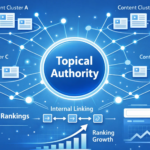
This means backlinks still matter, but they are now part of a bigger ecosystem. You need strong content, topical authority, and real engagement along with backlinks to win in modern SEO.
Conclusion
Backlinks are still one of the most powerful elements of SEO, but the approach to building them has completely changed.
It’s no longer about collecting as many links as possible. It’s about earning the right links from the right sources.
If you focus on relevance, quality, and building real authority in your niche, backlinks will naturally become a growth engine for your website — not just for rankings, but for traffic, trust, and long-term success.
Frequently Asked Questions About Backlinks
What are backlinks in SEO?
Backlinks are links from one website to another. When a website links to your content, it signals to search engines like Google that your page is valuable and trustworthy. These links act as recommendations, helping your website gain authority and improve its chances of ranking higher in search results.
Why are backlinks important for SEO?
Backlinks are important because they help search engines understand how credible your website is. When high-quality websites link to your content, it increases your authority, improves rankings, and can even bring direct traffic from users clicking those links. Without backlinks, it becomes much harder to compete in search results.
Are backlinks still important in 2026?
Yes, backlinks are still very important in 2026, but the focus has shifted from quantity to quality. Search engines now evaluate relevance, trust, and context along with backlinks, so earning links from authoritative and niche-relevant websites matters more than ever.
What is the difference between dofollow and nofollow backlinks?
Dofollow backlinks pass SEO value and help improve your rankings by transferring authority from one site to another. Nofollow backlinks, on the other hand, do not directly pass ranking value, but they still play an important role in building a natural backlink profile and can drive referral traffic to your website.
How many backlinks do I need to rank on Google?
There is no fixed number of backlinks required to rank because it depends on your competition and the keyword you are targeting. In many cases, a few high-quality backlinks from relevant websites can outperform hundreds of low-quality ones.
Can backlinks harm my website?
Yes, backlinks can harm your website if they come from spammy, irrelevant, or low-quality sources. Search engines may see these as manipulative practices, which can negatively impact your rankings or even lead to penalties.
How can beginners start building backlinks?
Beginners can start building backlinks by creating useful content that others want to reference, writing guest posts on relevant websites, submitting their site to trusted directories, and analyzing competitor backlinks to find opportunities.
What makes a backlink high quality?
A high-quality backlink comes from a relevant and authoritative website, is placed naturally within content, and comes from a page that has real traffic. These types of links provide strong SEO value and help improve rankings effectively.
Is buying backlinks a good idea?
Buying backlinks is not recommended because it violates search engine guidelines. While it may give short-term results, it can lead to long-term penalties and damage your website’s credibility.
How do search engines evaluate backlinks?
Search engines evaluate backlinks based on multiple factors such as the authority of the linking website, relevance to your content, placement of the link, anchor text used, and the overall naturalness of your backlink profile.

No Comments